Zoning for a Used Car Dealer
An used car dealer usually needs commercial zoning (C). The exact district names and rules come from your city or county zoning code, so always check the property's zoning before you buy or sign a lease.
New to zoning types? Read what commercial zoning means and what it allows.
What zoning does an used car dealer need?
C - Commercial
What Zoning Do You Need for a Used Car Dealer?
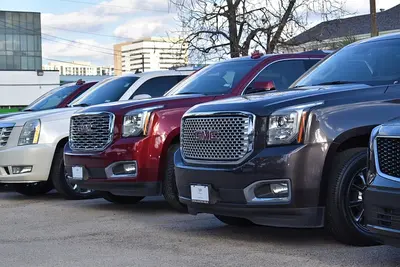
A used car dealer is a retail business that sells pre-owned vehicles from a commercial lot. Used car dealerships require C (Commercial) zoning, typically in general commercial or highway commercial zones that permit auto sales. Some jurisdictions regulate used car lots more strictly than new car franchise dealerships, imposing additional conditions on lot appearance, inventory standards, and operating practices.
Commercial Zoning for Used Car Sales
Used car lots are auto-oriented commercial uses that need high-visibility locations with easy vehicle access. Highway commercial and general commercial zones along major roads are the standard locations. Zoning requirements include minimum lot size and frontage, display area paving and lighting standards, screening along property lines adjacent to non-commercial uses, signage regulations, and customer and employee parking separate from inventory display.
Some jurisdictions distinguish between used car dealers and new car dealerships in their zoning codes, treating used car lots as a separate use category with additional requirements. Common additional conditions for used car lots include maximum inventory limits, minimum vehicle condition standards (prohibiting the display of visibly damaged or inoperable vehicles), enhanced screening and landscaping, and conditional use permits in zones where new car dealers are permitted by right.
State Dealer Licensing
Used car dealers must obtain a state dealer license, which has requirements that are independent of local zoning. State licensing requirements typically include a minimum lot size and office space, a display area with a minimum number of vehicles, a surety bond, proof of insurance, and a physical business location (online-only used car sales without a lot are not permitted in most states). The state dealer license requirements and local zoning requirements must both be met before opening. In some cases, the state licensing requirements for lot size and office space exceed the local zoning minimums.
Curbstoning and Unlicensed Sales
Selling vehicles without a dealer license, commonly called "curbstoning," is illegal in all states. Individuals who buy and resell more than a specified number of vehicles per year (the threshold varies by state, typically four to seven) are required to obtain a dealer license and operate from a properly zoned and licensed location. Operating from a residential property, a rented parking spot, or a public street is not a substitute for proper licensing and zoning.
Steps Before Opening a Used Car Dealership
Start by confirming the zoning on your target property. You can look up your property's zoning on ZoningPoint.com to identify the current classification. Contact your local planning department to verify that used car sales are permitted in the zone and what conditions apply. Apply for your state dealer license early, as the application process involves lot inspection, bonding, and documentation that takes time. Verify that the lot meets both local zoning requirements and state licensing minimums for size, office space, and display area.
It is important that you look up the specific zoning type for your parcel of land, because every jurisdiction has their own unique zoning and this is just a generalization.
Used Car Dealer Zoning FAQ
What zoning does an used car dealer need?
An used car dealer usually needs commercial zoning (C). The exact district names and rules come from your city or county zoning code.
Is an used car dealer commercial or residential?
An used car dealer is usually treated as a commercial use, so it typically belongs in a commercial zone rather than a residential one.
Can you have an used car dealer in a residential area?
Usually not by right. Most codes only allow an used car dealer in commercial zones. In a residential zone you would typically need a conditional use permit, a variance or a rezoning, and some cities do not allow it at all.
How do I check if a property is zoned for an used car dealer?
Find the property on your city or county zoning map to get its zoning district, then look up that district in the zoning code to see whether used car dealer is permitted, conditional or not allowed. The local planning department can confirm it. You can search for your city's zoning map on ZoningPoint, or read how to find a property on a zoning map.