Zoning for a Coffee Shop
A coffee shop usually needs commercial zoning (C). The exact district names and rules come from your city or county zoning code, so always check the property's zoning before you buy or sign a lease.
New to zoning types? Read what commercial zoning means and what it allows.
What zoning does a coffee shop need?
C - Commercial
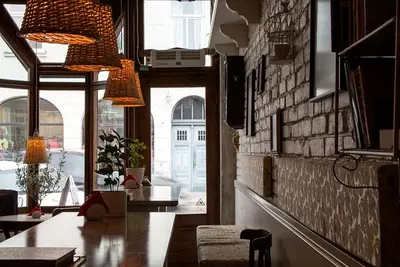
What Zoning Do You Need for a Coffee Shop?
A coffee shop is a retail food service establishment that prepares and sells beverages and light food items for on-site consumption and takeout. Coffee shops fall squarely under C (Commercial) zoning, and they are one of the most widely permitted commercial uses across nearly every type of commercial zone, from neighborhood commercial districts to downtown mixed-use corridors.
Neighborhood Commercial Zones Are Ideal
Coffee shops are a classic neighborhood commercial use. They serve nearby residents, generate moderate foot traffic, operate during daytime hours, and contribute to the walkable, community-oriented character that neighborhood commercial zoning is designed to foster. Most neighborhood commercial zones list cafes, bakeries, and food service establishments as permitted uses by right, meaning no conditional use permit or special hearing is required.
In neighborhood commercial zones, the primary zoning considerations for a coffee shop are parking requirements (which vary based on seating capacity and square footage), signage regulations (size, type, and illumination of exterior signs), outdoor seating permits if you plan to offer patio or sidewalk seating, and hours of operation, which may be restricted in zones adjacent to residential areas. These are standard commercial requirements rather than obstacles specific to coffee shops.
Drive-Through Coffee Shops
If your coffee shop will include a drive-through window, the zoning requirements become more complex. Many jurisdictions regulate drive-throughs separately from the underlying restaurant or cafe use. Drive-through facilities are frequently prohibited in pedestrian-oriented commercial districts, downtown zones, and neighborhood commercial areas because they generate vehicle stacking, increase traffic conflicts with pedestrians, and encourage auto-oriented development patterns that conflict with walkability goals.
Drive-through coffee shops are typically permitted in highway commercial, general commercial, and auto-oriented commercial zones. The site plan review for a drive-through will focus on vehicle stacking capacity (how many cars can queue without blocking the parking lot or spilling onto the street), traffic circulation, speaker box noise, and the separation between the drive-through lane and pedestrian areas. If drive-through service is central to your business model, site selection should prioritize zones where drive-throughs are explicitly permitted.
Coffee Shops in Mixed-Use and Non-Traditional Spaces
Coffee shops are increasingly opening in locations beyond traditional commercial storefronts, including the ground floor of residential apartment buildings in mixed-use zones, inside office buildings, hospitals, and universities as accessory food service, converted residential properties in transitional zones, and food halls and shared commercial kitchens. Mixed-use zoning typically permits ground-floor retail including food service, making these zones a natural fit. Coffee shops in non-traditional locations may face additional requirements around grease trap installation, ventilation, and waste management that are specific to food service operations in buildings not originally designed for that purpose.
Health Department and Building Code Requirements
Beyond zoning, coffee shops must comply with health department food service regulations and building code requirements for commercial kitchen operations. Even a simple espresso bar requires a commercial food service permit, proper plumbing (including a three-compartment sink and grease interceptor), adequate ventilation, and compliance with fire safety standards for commercial occupancy. These requirements apply regardless of the zoning classification and should be factored into your buildout budget and timeline.
Steps Before Opening a Coffee Shop
Start by confirming the zoning on your target space. You can look up your property's zoning on ZoningPoint.com to identify the current classification. Contact your local planning department to verify that food service is permitted in the zone, whether a drive-through is allowed if applicable, and what parking and signage standards apply. Separately, contact your local health department for food service permitting requirements and your building department for any tenant improvement permits needed to convert the space to a food service operation.
It is important that you look up the specific zoning type for your parcel of land, because every jurisdiction has their own unique zoning and this is just a generalization.
Coffee Shop Zoning FAQ
What zoning does a coffee shop need?
A coffee shop usually needs commercial zoning (C). The exact district names and rules come from your city or county zoning code.
Is a coffee shop commercial or residential?
A coffee shop is usually treated as a commercial use, so it typically belongs in a commercial zone rather than a residential one.
Can you have a coffee shop in a residential area?
Usually not by right. Most codes only allow a coffee shop in commercial zones. In a residential zone you would typically need a conditional use permit, a variance or a rezoning, and some cities do not allow it at all.
How do I check if a property is zoned for a coffee shop?
Find the property on your city or county zoning map to get its zoning district, then look up that district in the zoning code to see whether coffee shop is permitted, conditional or not allowed. The local planning department can confirm it. You can search for your city's zoning map on ZoningPoint, or read how to find a property on a zoning map.