Zoning for a Bakery
A bakery usually needs commercial zoning (C). The exact district names and rules come from your city or county zoning code, so always check the property's zoning before you buy or sign a lease.
New to zoning types? Read what commercial zoning means and what it allows.
What zoning does a bakery need?
C - Commercial
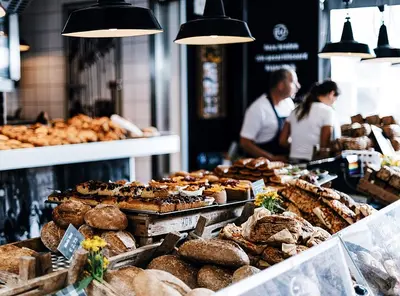
What Zoning Do You Need for a Bakery?
A bakery is a retail food establishment, and in most jurisdictions it is permitted in any zone that allows commercial retail or food service uses. The most common zoning designations for a bakery are C (Commercial) and MU (Mixed-Use). Bakeries fit comfortably in neighborhood commercial zones (C-1 or C-2), general commercial zones (C-3), downtown commercial districts, and mixed-use zones that combine retail with residential or office space. Because bakeries are low-impact compared to many other commercial uses, they are among the more broadly permitted business types across zoning categories.
Retail Bakery vs. Wholesale or Production Bakery
Zoning requirements differ significantly depending on whether you are opening a retail bakery that sells directly to customers or a wholesale or production bakery that manufactures baked goods for distribution. A retail bakery with a storefront, display cases, and seating operates like any other restaurant or food shop and is typically permitted in standard commercial and mixed-use zones.
A wholesale or production bakery operates more like a light manufacturing facility. These operations involve larger equipment, higher utility demands, frequent truck deliveries, and early morning or overnight hours. Many jurisdictions classify production bakeries as a light industrial use, requiring I-1 (Light Industrial) zoning or a conditional use permit in commercial zones. If your business model involves baking in volume for distribution to restaurants, grocery stores, or farmers markets rather than selling to walk-in customers, confirm that your zoning permits manufacturing or production uses.
Home Bakery and Cottage Food Considerations
A growing number of states have enacted cottage food laws that allow individuals to bake and sell certain products from a residential kitchen without commercial zoning or a full commercial kitchen buildout. These laws typically restrict the types of products you can sell (shelf-stable items like cookies, breads, and cakes are common), impose annual revenue caps, and limit sales channels to direct-to-consumer transactions such as farmers markets, online orders, or door-to-door delivery. If you are starting small from home, your state's cottage food regulations may allow you to operate without any zoning change, though some municipalities still require a home occupation permit.
Common Zoning Requirements for Bakeries
Even in zones that permit bakeries by right, local codes typically impose requirements related to parking (a minimum number of spaces based on square footage or seating capacity), signage (size, illumination, and placement restrictions), ventilation and exhaust systems (particularly for commercial ovens and fryers), grease trap installation, waste management, and hours of operation. If your bakery includes seating or a cafe component, it may be classified as a restaurant rather than a retail shop, which can trigger additional requirements for restrooms, ADA accessibility, and occupancy limits.
Health department permitting and food handler certifications are separate from zoning but required before you can open. Building code compliance, including commercial kitchen standards from your local health authority, will also need to be addressed during the buildout phase.
Steps Before Opening a Bakery
Start by determining the zoning on the property you are considering. You can look up your property's zoning on ZoningPoint.com to identify the current classification and check whether retail food service or bakery uses are listed as permitted. Pay attention to the distinction between retail and production uses in your local zoning code, as this will determine which zones work for your specific business model.
Contact your local planning department to confirm the permitted uses and any site-specific conditions. If you are leasing space in an existing commercial building, the zoning is likely already appropriate, but verify before signing a lease. You can also search for the specific zoning type on your parcel to begin understanding the regulations that apply to your location.
Bakery Zoning FAQ
What zoning does a bakery need?
A bakery usually needs commercial zoning (C). The exact district names and rules come from your city or county zoning code.
Is a bakery commercial or residential?
A bakery is usually treated as a commercial use, so it typically belongs in a commercial zone rather than a residential one.
Can you have a bakery in a residential area?
Usually not by right. Most codes only allow a bakery in commercial zones. In a residential zone you would typically need a conditional use permit, a variance or a rezoning, and some cities do not allow it at all.
How do I check if a property is zoned for a bakery?
Find the property on your city or county zoning map to get its zoning district, then look up that district in the zoning code to see whether bakery is permitted, conditional or not allowed. The local planning department can confirm it. You can search for your city's zoning map on ZoningPoint, or read how to find a property on a zoning map.