Zoning for a Mechanic Shop
A mechanic shop usually needs commercial zoning (C). The exact district names and rules come from your city or county zoning code, so always check the property's zoning before you buy or sign a lease.
New to zoning types? Read what commercial zoning means and what it allows.
What zoning does a mechanic shop need?
C - Commercial
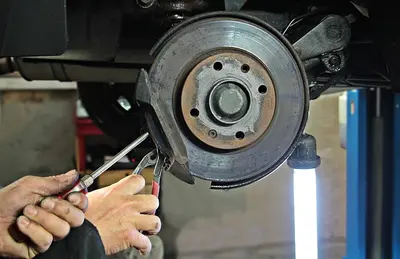
What Zoning Do You Need for a Mechanic Shop?
A mechanic shop, or auto repair shop, is a commercial facility where vehicles are serviced, repaired, and maintained. Mechanic shops require C (Commercial) zoning, specifically general commercial or auto-oriented commercial zones. Neighborhood commercial zones typically prohibit auto repair due to the noise, vehicle storage, and environmental concerns associated with the use.
Auto-Oriented Commercial Zones
Mechanic shops are most commonly found in auto-oriented commercial zones along highways and major roads. These zones are designed for businesses that serve vehicles, including gas stations, car washes, tire shops, auto parts stores, and repair facilities. Auto-oriented zones accommodate the characteristics of a mechanic shop: vehicle lifts and equipment noise, outdoor vehicle storage (cars awaiting repair or pick-up), fluid storage and disposal, and customer and service vehicle traffic patterns.
In general commercial zones, mechanic shops may be permitted by right or may require a conditional use permit. The CUP process for a mechanic shop typically reviews noise impact (air tools, engine testing), hours of operation, the number and placement of vehicles stored outdoors, screening and fencing between the shop and adjacent properties, and environmental compliance for fluid handling and disposal.
Environmental Regulations
Mechanic shops generate hazardous waste including used motor oil, transmission fluid, coolant, brake fluid, solvents, and refrigerants. These materials are regulated under federal and state environmental laws regardless of zoning classification. Mechanic shops must register as hazardous waste generators, store waste fluids in approved containers with secondary containment, arrange for licensed hazardous waste haulers to remove waste on a regular schedule, maintain records of waste generation and disposal, and comply with clean air requirements for refrigerant handling (EPA Section 608 certification).
Floor drains in mechanic shops must connect to oil-water separators rather than discharging directly to the storm sewer or sanitary sewer. Stormwater runoff from outdoor work areas and vehicle storage must be managed to prevent petroleum contamination of waterways.
Home-Based Mechanic Operations
Working on cars at home is a common entry point for aspiring mechanics, but operating a commercial repair business from a residential property is prohibited in virtually all residential zones. Home occupation provisions do not accommodate the noise, vehicle storage, fluid handling, and customer traffic that a mechanic shop generates. A resident working on their own vehicles is generally fine, but accepting paying customers, storing multiple customer vehicles, or conducting commercial-scale repair work crosses the line into a commercial use that requires commercial zoning.
Code enforcement complaints for home-based mechanic operations are common and can result in fines, cease-and-desist orders, and requirements to remediate any environmental contamination caused by the unauthorized operation.
Steps Before Opening a Mechanic Shop
Start by confirming the zoning on your target property. You can look up your property's zoning on ZoningPoint.com to identify the current classification. Contact your local planning department to verify that auto repair is a permitted use in the zone. Separately, register with your state environmental agency as a hazardous waste generator, install required oil-water separators and waste storage, and obtain any required business licenses and auto repair facility registrations from your state consumer protection or motor vehicle agency.
It is important that you look up the specific zoning type for your parcel of land, because every jurisdiction has their own unique zoning and this is just a generalization.
Mechanic Shop Zoning FAQ
What zoning does a mechanic shop need?
A mechanic shop usually needs commercial zoning (C). The exact district names and rules come from your city or county zoning code.
Is a mechanic shop commercial or residential?
A mechanic shop is usually treated as a commercial use, so it typically belongs in a commercial zone rather than a residential one.
Can you have a mechanic shop in a residential area?
Usually not by right. Most codes only allow a mechanic shop in commercial zones. In a residential zone you would typically need a conditional use permit, a variance or a rezoning, and some cities do not allow it at all.
How do I check if a property is zoned for a mechanic shop?
Find the property on your city or county zoning map to get its zoning district, then look up that district in the zoning code to see whether mechanic shop is permitted, conditional or not allowed. The local planning department can confirm it. You can search for your city's zoning map on ZoningPoint, or read how to find a property on a zoning map.