Zoning for a Medical Practice
A medical practice usually needs commercial zoning (C). The exact district names and rules come from your city or county zoning code, so always check the property's zoning before you buy or sign a lease.
New to zoning types? Read what commercial zoning means and what it allows.
What zoning does a medical practice need?
C - Commercial
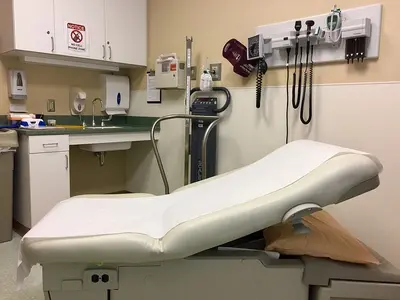
What Zoning Do You Need for a Medical Practice?
A medical practice is a healthcare facility where physicians, specialists, or other licensed medical professionals provide outpatient care to patients. Medical practices require C (Commercial) zoning and are among the most widely permitted commercial uses, fitting naturally into professional office zones, medical office zones, and general commercial districts.
Medical Office Zoning
Many jurisdictions have specific medical office or professional office zoning designations tailored to healthcare providers. These zones are often located near hospitals or along healthcare corridors and provide favorable standards for the types of facilities that medical practices need. Medical office zones typically allow higher parking ratios than general office zones (reflecting the higher turnover of patients compared to office workers), permit medical-specific signage, and accommodate the utility requirements of medical equipment.
In general commercial zones, medical practices are almost always a permitted use by right. The zoning review is straightforward because medical practices generate predictable, appointment-based traffic, operate during standard business hours, and have minimal noise or visual impact on surrounding properties.
Parking and Accessibility
Parking requirements for medical practices are typically higher than for general office space because patients visit for shorter durations and turn over parking spaces more frequently throughout the day. Common parking ratios for medical offices range from one space per 150 to 250 square feet of office area, compared to one per 250 to 400 square feet for general office. A busy practice with multiple providers seeing patients on overlapping schedules needs adequate parking for patients in the waiting room, patients being seen, patients arriving and departing, and staff.
ADA accessibility is particularly important for medical practices. Beyond the standard accessibility requirements for commercial space, medical practices must accommodate patients with a wide range of mobility limitations, including wheelchair users, patients using walkers or crutches, and patients with temporary mobility restrictions. Exam rooms, restrooms, and patient circulation areas must meet accessibility standards.
Specialized Medical Facilities
Medical practices that perform procedures beyond standard office visits may face additional regulatory requirements. Ambulatory surgery centers, urgent care clinics, imaging centers, and practices that administer anesthesia or sedation are subject to state health department facility licensing requirements that govern construction standards, equipment, staffing, and operational procedures. These licensing requirements are separate from zoning and may affect building design, particularly regarding procedure room specifications, recovery areas, medical gas systems, and emergency equipment.
Medical Practices in Residential Conversions
In older neighborhoods, medical practices sometimes operate in converted residential properties along transitional commercial corridors. These conversions are common where large homes on busy streets have been rezoned for professional office use. Converting a residential property to a medical practice requires the property to be zoned for commercial or professional office use, compliance with commercial building codes for the change of occupancy, adequate parking (often difficult to provide on a residential lot), and ADA accessibility modifications to the building and site.
Steps Before Opening a Medical Practice
Start by confirming the zoning on your target space. You can look up your property's zoning on ZoningPoint.com to identify the current classification. Medical practices are permitted in most commercial zones, so zoning is rarely an obstacle. Focus due diligence on verifying that the space meets the physical requirements of your practice, including adequate plumbing for exam rooms and sterilization, HVAC capacity for patient comfort and infection control, electrical capacity for medical equipment, and ADA accessibility throughout the facility.
It is important that you look up the specific zoning type for your parcel of land, because every jurisdiction has their own unique zoning and this is just a generalization.
Medical Practice Zoning FAQ
What zoning does a medical practice need?
A medical practice usually needs commercial zoning (C). The exact district names and rules come from your city or county zoning code.
Is a medical practice commercial or residential?
A medical practice is usually treated as a commercial use, so it typically belongs in a commercial zone rather than a residential one.
Can you have a medical practice in a residential area?
Usually not by right. Most codes only allow a medical practice in commercial zones. In a residential zone you would typically need a conditional use permit, a variance or a rezoning, and some cities do not allow it at all.
How do I check if a property is zoned for a medical practice?
Find the property on your city or county zoning map to get its zoning district, then look up that district in the zoning code to see whether medical practice is permitted, conditional or not allowed. The local planning department can confirm it. You can search for your city's zoning map on ZoningPoint, or read how to find a property on a zoning map.