Zoning for an Industrial Property
Probable Zoning Classification: I - Industrial
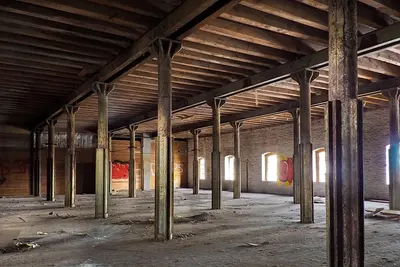
What Zoning Do You Need for an Industrial Property?
An industrial property is a facility used for manufacturing, processing, assembly, warehousing, distribution, or other production activities. Industrial properties require I (Industrial) zoning, which is divided in most jurisdictions into light industrial and heavy industrial categories based on the intensity and impact of the operations conducted on the property.
Light Industrial vs. Heavy Industrial
Light industrial zoning (commonly labeled I-1, LI, or M-1) permits manufacturing and production activities that have minimal external impact. These operations are typically conducted entirely indoors, produce little noise, odor, or vibration detectable at the property line, and generate moderate truck traffic. Common light industrial uses include electronics assembly, food packaging, printing, custom fabrication, and small-scale manufacturing.
Heavy industrial zoning (I-2, HI, or M-2) permits operations with greater external impacts including noise, odor, dust, vibration, and heavy truck traffic. Heavy industrial uses include metal foundries, chemical processing, concrete batch plants, large-scale food processing, and waste handling facilities. Heavy industrial zones are typically located away from residential areas and may have fewer restrictions on operating hours, noise, and emissions than light industrial zones.
Key Zoning Considerations for Industrial Properties
Industrial zoning regulates the operational characteristics of the property as much as the land use itself. Common industrial zoning standards include setbacks and buffers between industrial properties and adjacent non-industrial zones (landscaping strips, walls, or undeveloped buffer areas), building height and lot coverage limits, loading dock placement and truck circulation requirements, outdoor storage regulations (some industrial zones restrict or prohibit outdoor storage of materials, equipment, or inventory), screening and fencing requirements, and lighting standards to prevent light spillover onto neighboring properties.
Environmental regulations layer on top of zoning requirements. Industrial operations that produce air emissions, wastewater discharges, or hazardous waste are subject to state and federal environmental permits that operate independently of local zoning. These permits address air quality (emissions permits), water discharge (NPDES permits), hazardous materials storage and handling, and stormwater management for industrial sites.
Industrial to Commercial Conversions
Many formerly industrial areas are transitioning to commercial, mixed-use, or residential development. If you are purchasing industrial property for a non-industrial use, you will need to rezone the property or obtain a variance. Be aware that former industrial sites may have environmental contamination that requires remediation before the property can be used for other purposes. Phase I and Phase II environmental site assessments are standard due diligence for any industrial property transaction.
Flex Space and Modern Industrial
Modern industrial development increasingly features flex space that combines office, showroom, and light manufacturing or warehouse space in a single building. Flex space is designed to accommodate a range of tenants, from e-commerce fulfillment operations to technology companies to specialty manufacturers. Light industrial zoning typically permits flex space, and some jurisdictions have created specific flex or business park zoning categories to accommodate this hybrid use type.
Steps Before Developing or Leasing Industrial Property
Start by confirming the zoning on your target property. You can look up your property's zoning on ZoningPoint.com to identify the current classification. Verify that your specific industrial activity is permitted in the applicable zone (light industrial zones may not permit all industrial operations). Contact your local planning department for site plan requirements, and research applicable environmental permits through your state environmental agency. For property purchases, conduct Phase I and Phase II environmental assessments to identify potential contamination liability.
It is important that you look up the specific zoning type for your parcel of land, because every jurisdiction has their own unique zoning and this is just a generalization.
Other Zoning Uses
- ADU
- Affordable Housing Property
- Agriculture Property
- Airbnb
- Animal Rescue
- Assisted Living Facility
- Auto Repair Shop
- Bakery
- Banquet Hall
- Barbershop
- Barndominium
- Bed and Breakfast
- Boat and RV Storage Facility
- Brewery
- Business
- Campground
- Car Dealership
- Cemetery
- Childcare Facility
- Church
- Coffee Shop
- Commercial Kitchen
- Container Home
- Data Center
- Daycare Center
- Dental Office
- Distillery
- Dog Boarding Facility
- Dog Daycare
- Duplex
- Elementary School
- EV Charging Station
- Event Space
- Food Truck Park
- Gas Station
- Glamping Destination
- Greenhouse
- Group Home
- Guest House
- Gun Range
- Gym
- Halfway House
- High School
- Home Business
- Homeless Shelter
- Hookah Lounge
- Hotel
- House
- Indoor Playground
- Kindergarten
- Light Industrial Property
- Manufactured Home
- Mechanic Shop
- Medical Practice
- Middle School
- Mobile Home
- Mobile Home Park
- Multi-family Property
- Multiple Houses
- Office Space
- Outdoor Storage
- Park
- Parking Lot
- Primary School
- Private School
- Public School
- Recording Studio
- Residential Property
- Restaurant
- RV Park
- RV Storage Facility
- School
- Senior Housing Facility
- Shipping Container House
- Short Term Rental
- Single Family Home
- Small Business
- Sports Complex
- Storage Unit Facility
- Storage Units
- Tattoo Shop
- Tiny Home Community
- Townhouse
- Trailer Park
- Transitional Housing Building
- Triplex
- Used Car Dealer
- Veterinary Clinic
- Warehouse
- Wedding Venue
