Zoning for a Dental Office
A dental office usually needs commercial zoning (C). The exact district names and rules come from your city or county zoning code, so always check the property's zoning before you buy or sign a lease.
New to zoning types? Read what commercial zoning means and what it allows.
What zoning does a dental office need?
C - Commercial
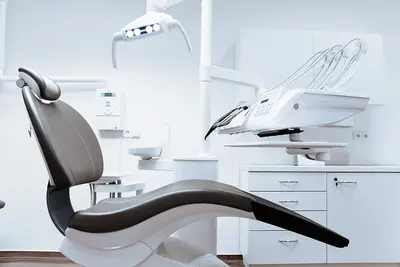
What Zoning Do You Need for a Dental Office?
A dental office is a medical professional services facility where dentists provide examinations, cleanings, restorative work, and other oral health services to patients by appointment. Dental offices operate under C (Commercial) zoning and are permitted in most commercial zones that allow professional offices and medical services. They are one of the least controversial commercial uses from a zoning perspective, generating moderate traffic, operating during standard business hours, and producing no noise, odor, or visual impact concerns.
Commercial Office and Medical Zones
Dental offices fit naturally into commercial office zones, medical office zones, and general commercial districts. Many cities have specific medical or professional office zoning designations that are tailored to healthcare providers, including dentists, physicians, optometrists, and similar practitioners. These zones are often located along commercial corridors near hospitals or medical campuses and may offer favorable parking ratios and signage standards for medical tenants.
In general commercial zones, a dental office is typically a permitted use by right, requiring only a standard business license and building permit for any tenant improvements. The zoning review for a dental office is straightforward because the use generates predictable, appointment-based traffic rather than the unpredictable walk-in traffic of retail businesses.
Parking and Accessibility Requirements
Parking requirements for dental offices are calculated based on the number of treatment rooms or operatories, or on the total square footage of the office. A typical requirement is three to five parking spaces per treatment room, or one space per 200 square feet of office area. These ratios account for patients arriving and departing on staggered appointment schedules, plus parking for staff.
ADA accessibility is a significant requirement for dental offices. The facility must provide accessible parking spaces, an accessible entrance and path of travel, accessible restrooms, and treatment areas that can accommodate patients with mobility limitations. While these are building code requirements rather than zoning requirements, they affect site selection and buildout planning because older commercial spaces may not meet current accessibility standards without renovation.
Dental Offices in Non-Traditional Locations
Some dentists open practices in residential properties that have been converted to professional office use. This is common in older neighborhoods where large homes along transitional commercial corridors have been rezoned for office use. These conversions require the property to be zoned for professional office or commercial use. Operating a dental practice in a residentially zoned home without proper zoning is a code violation even if the dentist lives on the premises, because the volume of patient traffic and the commercial nature of the services exceed what home occupation provisions allow.
Dental offices are also common in mixed-use developments, strip malls, and standalone commercial buildings. The key site selection factors are visibility and accessibility for patients, proximity to complementary medical services, and adequate parking.
Specialized Dental Facilities
Oral surgery centers, orthodontic practices, and dental clinics that provide sedation or general anesthesia may face additional regulatory requirements beyond standard dental office zoning. Facilities offering sedation must meet state health department standards for surgical facilities, which may include requirements for recovery rooms, emergency equipment, and medical gas systems. These requirements do not typically affect the zoning classification but do affect the building code occupancy classification and tenant improvement scope.
Steps Before Opening a Dental Office
Start by confirming the zoning on your target space. You can look up your property's zoning on ZoningPoint.com to identify the current classification. Dental offices are permitted in most commercial zones, so zoning is rarely an obstacle. Focus your due diligence on building code compliance, ADA accessibility, plumbing capacity for dental equipment (dental chairs require dedicated water and vacuum lines), and any state facility licensing requirements that apply to your type of practice.
It is important that you look up the specific zoning type for your parcel of land, because every jurisdiction has their own unique zoning and this is just a generalization.
Dental Office Zoning FAQ
What zoning does a dental office need?
A dental office usually needs commercial zoning (C). The exact district names and rules come from your city or county zoning code.
Is a dental office commercial or residential?
A dental office is usually treated as a commercial use, so it typically belongs in a commercial zone rather than a residential one.
Can you have a dental office in a residential area?
Usually not by right. Most codes only allow a dental office in commercial zones. In a residential zone you would typically need a conditional use permit, a variance or a rezoning, and some cities do not allow it at all.
How do I check if a property is zoned for a dental office?
Find the property on your city or county zoning map to get its zoning district, then look up that district in the zoning code to see whether dental office is permitted, conditional or not allowed. The local planning department can confirm it. You can search for your city's zoning map on ZoningPoint, or read how to find a property on a zoning map.