Zoning for a Storage Units
Probable Zoning Classification: C - Commercial or I - Industrial
What Zoning Do You Need for Storage Units?
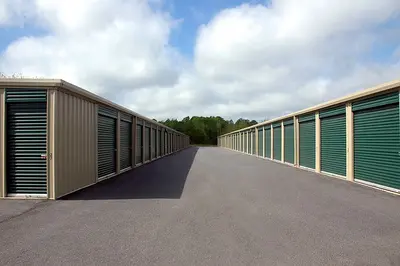
Storage units, or self-storage facilities, are commercial properties where customers rent individual enclosed units to store personal belongings, business inventory, or other items. Self-storage facilities require C (Commercial) or I (Industrial) zoning. The appropriate classification depends on the location and the type of facility. Urban self-storage in multi-story buildings may fit within commercial zones, while single-story facilities with larger footprints are more common in industrial and highway commercial zones.
Commercial Zoning for Self-Storage
Self-storage is a retail service business where customers visit the property regularly to access their stored belongings. Commercial zoning accommodates this customer-facing operation. However, not all commercial zones permit self-storage. Neighborhood commercial zones and pedestrian-oriented commercial districts often prohibit or restrict self-storage because storage facilities generate low foot traffic, contribute minimally to street-level activity, and occupy large amounts of frontage with blank walls and roll-up doors.
General commercial and highway commercial zones are more accommodating. Self-storage facilities along commercial corridors benefit from high visibility for marketing and convenient access for customers. Zoning requirements in commercial zones typically address building design and facade standards (many jurisdictions require self-storage buildings to meet commercial design standards rather than presenting as rows of garage doors), signage, landscaping, and screening, parking for customers and a resident manager, and access gate and security system design.
Industrial Zoning for Larger Facilities
Single-story self-storage facilities with large footprints fit naturally in light industrial zones. Industrial zoning provides the land area for extensive single-story buildings, permits the garage-door aesthetic that commercial zones may restrict, and offers lower land costs that improve project economics. Many suburban self-storage facilities are located in industrial parks or along industrial corridors for these reasons.
Climate-Controlled and Specialty Storage
Climate-controlled self-storage facilities maintain temperature and humidity levels that protect sensitive items like furniture, electronics, documents, and artwork. These facilities are typically multi-story buildings with interior corridors and elevator access, resembling office or commercial buildings more than traditional drive-up storage. The commercial building appearance of climate-controlled facilities makes them more compatible with commercial zones and less likely to face design review objections.
Specialty storage for wine, vehicles, boats, or business inventory may have additional requirements depending on what is being stored. Facilities that store flammable materials, chemicals, or hazardous items face environmental and fire code requirements beyond standard self-storage zoning.
Steps Before Developing a Self-Storage Facility
Start by confirming the zoning on your target property. You can look up your property's zoning on ZoningPoint.com to identify the current classification. Contact your local planning department to verify that self-storage is a permitted use in the zone, as many commercial zones restrict it. Review any building design standards that apply, and engage an architect experienced in self-storage design to ensure the building meets both zoning appearance requirements and the operational layout needed for efficient unit access and customer flow.
It is important that you look up the specific zoning type for your parcel of land, because every jurisdiction has their own unique zoning and this is just a generalization.
Other Zoning Uses
- ADU
- Affordable Housing Property
- Agriculture Property
- Airbnb
- Animal Rescue
- Assisted Living Facility
- Auto Repair Shop
- Bakery
- Banquet Hall
- Barbershop
- Barndominium
- Bed and Breakfast
- Boat and RV Storage Facility
- Brewery
- Business
- Campground
- Car Dealership
- Cemetery
- Childcare Facility
- Church
- Coffee Shop
- Commercial Kitchen
- Container Home
- Data Center
- Daycare Center
- Dental Office
- Distillery
- Dog Boarding Facility
- Dog Daycare
- Duplex
- Elementary School
- EV Charging Station
- Event Space
- Food Truck Park
- Gas Station
- Glamping Destination
- Greenhouse
- Group Home
- Guest House
- Gun Range
- Gym
- Halfway House
- High School
- Home Business
- Homeless Shelter
- Hookah Lounge
- Hotel
- House
- Indoor Playground
- Industrial Property
- Kindergarten
- Light Industrial Property
- Manufactured Home
- Mechanic Shop
- Medical Practice
- Middle School
- Mobile Home
- Mobile Home Park
- Multi-family Property
- Multiple Houses
- Office Space
- Outdoor Storage
- Park
- Parking Lot
- Primary School
- Private School
- Public School
- Recording Studio
- Residential Property
- Restaurant
- RV Park
- RV Storage Facility
- School
- Senior Housing Facility
- Shipping Container House
- Short Term Rental
- Single Family Home
- Small Business
- Sports Complex
- Storage Unit Facility
- Tattoo Shop
- Tiny Home Community
- Townhouse
- Trailer Park
- Transitional Housing Building
- Triplex
- Used Car Dealer
- Veterinary Clinic
- Warehouse
- Wedding Venue
