Zoning for a Storage Unit Facility
A storage unit facility usually needs commercial zoning (C), and some cities also allow it in industrial zones (I). The exact district names and rules come from your city or county zoning code, so always check the property's zoning before you buy or sign a lease.
New to zoning types? Read what commercial zoning means and what it allows.
What zoning does a storage unit facility need?
C - Commercial
or
I - Industrial
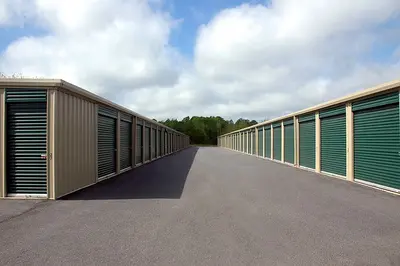
What Zoning Do You Need for a Storage Unit Facility?
A storage unit facility, or self-storage property, is a commercial operation where customers rent individual enclosed units for storing personal belongings, business inventory, or equipment. Storage unit facilities require C (Commercial) or I (Industrial) zoning. The type of zone depends on the facility design: multi-story climate-controlled facilities fit well in commercial zones, while single-story drive-up facilities are better suited to light industrial or highway commercial locations.
Site Selection and Zoning Fit
Self-storage facilities have become one of the most common commercial development types in suburban areas. However, many commercial zones restrict or prohibit self-storage because the use generates low foot traffic, creates minimal employment, and contributes little to the street-level commercial activity that retail-oriented zones are designed to promote. General commercial zones that prioritize retail and restaurant uses may not permit self-storage, while highway commercial and light industrial zones are more accommodating.
Before selecting a site, verify that self-storage is a permitted use in the zone. Many developers have discovered after purchasing property that the intended zone does not allow self-storage, requiring a costly and uncertain rezoning process.
Building Design Requirements
Many jurisdictions have adopted design standards for self-storage facilities to prevent the generic, utilitarian appearance of older storage buildings. Modern self-storage design standards may require commercial-quality building facades facing public streets, articulated building walls (avoiding long, blank walls), landscaping and screening, decorative fencing rather than chain-link, and office and management areas visible from the street entrance. These standards increase construction costs but make self-storage facilities more compatible with commercial districts and reduce community opposition during the approval process.
Security and Operations
Zoning conditions for self-storage facilities often address security measures including fencing, gated access with electronic entry systems, security cameras, and lighting. These requirements protect both customers and the surrounding neighborhood. Access hours may be restricted, particularly for facilities adjacent to residential areas, to prevent late-night traffic and activity.
Steps Before Developing a Storage Unit Facility
Start by confirming the zoning on your target property. You can look up your property's zoning on ZoningPoint.com to identify the current classification. Self-storage restrictions in commercial zones are common, so verify that storage is a permitted use before proceeding. Contact your local planning department for design standards and site plan requirements. A feasibility study that includes market demand analysis, zoning compliance review, and construction cost estimates is essential before committing to a site.
It is important that you look up the specific zoning type for your parcel of land, because every jurisdiction has their own unique zoning and this is just a generalization.
Storage Unit Facility Zoning FAQ
What zoning does a storage unit facility need?
A storage unit facility usually needs commercial zoning (C), and some cities also allow it in industrial zones (I). The exact district names and rules come from your city or county zoning code.
Is a storage unit facility commercial or residential?
A storage unit facility is usually treated as a commercial use, so it typically belongs in a commercial zone rather than a residential one.
Can you have a storage unit facility in a residential area?
Usually not by right. Most codes only allow a storage unit facility in commercial zones. In a residential zone you would typically need a conditional use permit, a variance or a rezoning, and some cities do not allow it at all.
How do I check if a property is zoned for a storage unit facility?
Find the property on your city or county zoning map to get its zoning district, then look up that district in the zoning code to see whether storage unit facility is permitted, conditional or not allowed. The local planning department can confirm it. You can search for your city's zoning map on ZoningPoint, or read how to find a property on a zoning map.