Zoning for a Hookah Lounge
A hookah lounge usually needs commercial zoning (C). The exact district names and rules come from your city or county zoning code, so always check the property's zoning before you buy or sign a lease.
New to zoning types? Read what commercial zoning means and what it allows.
What zoning does a hookah lounge need?
C - Commercial
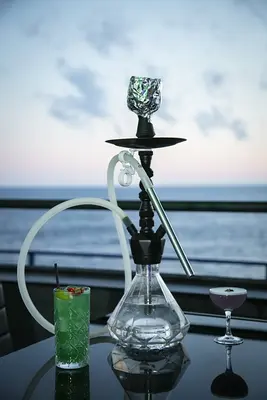
What Zoning Do You Need for a Hookah Lounge?
A hookah lounge is a commercial establishment where customers smoke flavored tobacco (shisha) from water pipes in a social setting. Hookah lounges require C (Commercial) zoning and are typically regulated similarly to bars, lounges, and entertainment venues. However, hookah lounges face additional regulatory challenges because they involve indoor tobacco use, which is restricted or prohibited in many jurisdictions under clean indoor air laws.
Commercial Zoning and Entertainment Districts
Hookah lounges fit within commercial zones that permit bars, nightclubs, and entertainment uses. General commercial and entertainment commercial zones are the most likely to allow hookah lounges, while neighborhood commercial zones may restrict or prohibit them. Zoning considerations for hookah lounges include parking requirements based on seating or occupancy capacity, signage regulations, hours of operation (particularly if adjacent to residential areas), noise standards if the lounge features music or entertainment, and proximity restrictions to schools, churches, or other sensitive uses (similar to those applied to bars).
Indoor Smoking Laws
The biggest regulatory challenge for hookah lounges is not zoning but indoor smoking restrictions. Most states and many cities have adopted clean indoor air acts or smoke-free workplace laws that prohibit smoking in indoor public places. These laws were primarily designed to address cigarette smoking, but many apply broadly to all tobacco products including hookah.
Some jurisdictions provide specific exemptions for hookah lounges, tobacco shops, or establishments where tobacco use is the primary purpose of the business. Others do not. Where no exemption exists, operating a hookah lounge may be legally impossible regardless of zoning approval. Before pursuing a location, confirm that your state and local indoor smoking laws either exempt hookah lounges or provide a pathway for legal operation.
Ventilation Requirements
Where hookah lounges are permitted, ventilation is a critical operational and regulatory requirement. Hookah smoking produces significant smoke, and adequate ventilation is necessary for both regulatory compliance and customer comfort. Building codes and health regulations may require dedicated HVAC systems that are separate from other tenants in a multi-tenant building, minimum air exchange rates in the smoking area, exhaust systems that vent smoke outside without affecting neighboring businesses, and air filtration or purification systems.
In multi-tenant commercial buildings, the ventilation requirements can create conflicts with landlords and neighboring tenants who object to smoke odor migration. Lease negotiations should address the hookah lounge's right to install specialized ventilation equipment and the landlord's obligations regarding smoke separation from other tenant spaces.
Age Restrictions and Licensing
Hookah lounges are subject to tobacco sales age restrictions (21 and older under federal law). Some jurisdictions require a tobacco retail license to operate a hookah lounge, and this license may be subject to cap-and-trade or moratorium provisions that limit the number of tobacco retail establishments in a given area. If the lounge also serves alcohol, a separate liquor license is required, which has its own zoning implications and distance requirements from schools and churches.
Steps Before Opening a Hookah Lounge
Start by confirming the zoning on your target space. You can look up your property's zoning on ZoningPoint.com to identify the current classification. Before committing to a location, verify that your state and local indoor smoking laws permit hookah lounge operation, either through a specific exemption or through the absence of restrictions that would prohibit it. Contact your local planning department for zoning requirements, your health department for ventilation and air quality standards, and your city clerk or licensing department for tobacco retail licensing requirements.
It is important that you look up the specific zoning type for your parcel of land, because every jurisdiction has their own unique zoning and this is just a generalization.
Hookah Lounge Zoning FAQ
What zoning does a hookah lounge need?
A hookah lounge usually needs commercial zoning (C). The exact district names and rules come from your city or county zoning code.
Is a hookah lounge commercial or residential?
A hookah lounge is usually treated as a commercial use, so it typically belongs in a commercial zone rather than a residential one.
Can you have a hookah lounge in a residential area?
Usually not by right. Most codes only allow a hookah lounge in commercial zones. In a residential zone you would typically need a conditional use permit, a variance or a rezoning, and some cities do not allow it at all.
How do I check if a property is zoned for a hookah lounge?
Find the property on your city or county zoning map to get its zoning district, then look up that district in the zoning code to see whether hookah lounge is permitted, conditional or not allowed. The local planning department can confirm it. You can search for your city's zoning map on ZoningPoint, or read how to find a property on a zoning map.