Zoning for a Barbershop
A barbershop usually needs commercial zoning (C), and some cities also allow it in mixed-use zones (MU). The exact district names and rules come from your city or county zoning code, so always check the property's zoning before you buy or sign a lease.
New to zoning types? Read what commercial zoning means and what it allows.
What zoning does a barbershop need?
C - Commercial
or
MU - Mixed-Use
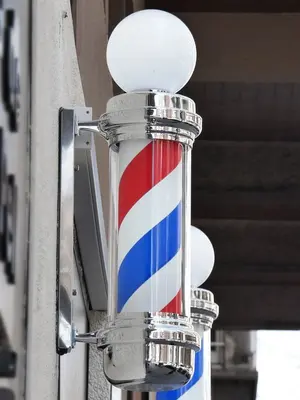
What Zoning Do You Need for a Barbershop?
A barbershop is a personal service business, and it is one of the most broadly permitted commercial uses across zoning classifications. The most common zoning designations for a barbershop are C (Commercial) and MU (Mixed-Use). Barbershops are typically permitted in every tier of commercial zoning, from neighborhood commercial (C-1) to general commercial (C-3), as well as in mixed-use districts, downtown commercial zones, and planned commercial developments. Because they are low-impact, low-traffic, and serve a local customer base, barbershops face fewer zoning obstacles than most other business types.
Why Barbershops Are Easy to Zone
Zoning codes categorize barbershops as personal service establishments alongside hair salons, nail salons, spas, and similar businesses. These uses generate minimal noise, no hazardous materials, modest parking demand, and operate during standard business hours. This profile makes them compatible with nearly any commercial or mixed-use environment. Unlike restaurants, auto repair shops, or entertainment venues, barbershops rarely trigger conditional use permit requirements or special restrictions even in the most restrictive commercial zones.
In many jurisdictions, personal service uses like barbershops are also permitted in office or professional zoning districts (O or OP zones), particularly when the barbershop occupies a small storefront within a larger professional complex.
Running a Barbershop From Home
Some barbers prefer to operate from a home studio rather than leasing commercial space. Whether this is permitted depends on your municipality's home occupation regulations. Most jurisdictions allow home-based businesses in residential zones provided the business does not generate excessive traffic, does not employ non-resident workers on site, does not have exterior signage, and does not alter the residential character of the property. A barbershop that serves a steady stream of walk-in clients throughout the day is unlikely to meet those conditions in most residential zones, but a by-appointment-only operation with limited daily clients may qualify.
Some municipalities require a home occupation permit for any business conducted from a residence, while others prohibit personal service businesses in residential zones entirely. Check your local zoning code and home occupation provisions before investing in a home studio setup.
Common Zoning and Regulatory Requirements
Even though barbershops are widely permitted, standard commercial zoning requirements still apply. These typically include minimum parking spaces based on the square footage of the shop, signage restrictions covering size, type, and illumination, ADA accessibility for the entrance and interior, and compliance with local building codes for commercial tenant improvements. If you are building out a new space or converting a space from another use, you will need building permits for plumbing (shampoo stations and sinks), electrical work, and potentially HVAC modifications.
State licensing is a separate requirement from zoning. Barbers must hold a valid state barber license, and the shop itself typically requires a barbershop establishment license or permit from the state board of barbering and cosmetology. Health and sanitation standards for barbershops are set at the state level and enforced through periodic inspections.
Steps Before Opening a Barbershop
Start by confirming the zoning on the property or lease space you are considering. You can look up your property's zoning on ZoningPoint.com to identify the current classification and verify that personal service or retail uses are permitted. If you are leasing space in an existing commercial strip, shopping center, or mixed-use building, the zoning is almost certainly appropriate for a barbershop, but confirm before signing a lease. Contact your local planning department with any questions about permitted uses or buildout requirements, and check with your state barber board on establishment licensing.
It is important that you look up the specific zoning type for your parcel of land, because every jurisdiction has their own unique zoning and this is just a generalization.
Barbershop Zoning FAQ
What zoning does a barbershop need?
A barbershop usually needs commercial zoning (C), and some cities also allow it in mixed-use zones (MU). The exact district names and rules come from your city or county zoning code.
Is a barbershop commercial or residential?
A barbershop is usually treated as a commercial use, so it typically belongs in a commercial zone rather than a residential one.
Can you have a barbershop in a residential area?
Usually not by right. Most codes only allow a barbershop in commercial zones. In a residential zone you would typically need a conditional use permit, a variance or a rezoning, and some cities do not allow it at all.
How do I check if a property is zoned for a barbershop?
Find the property on your city or county zoning map to get its zoning district, then look up that district in the zoning code to see whether barbershop is permitted, conditional or not allowed. The local planning department can confirm it. You can search for your city's zoning map on ZoningPoint, or read how to find a property on a zoning map.