Zoning for an Event Space
An event space usually needs commercial zoning (C). The exact district names and rules come from your city or county zoning code, so always check the property's zoning before you buy or sign a lease.
New to zoning types? Read what commercial zoning means and what it allows.
What zoning does an event space need?
C - Commercial
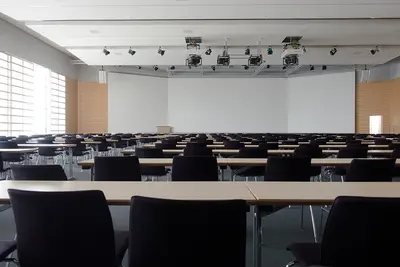
What Zoning Do You Need for an Event Space?
An event space is a venue rented for private or public gatherings such as weddings, corporate events, parties, conferences, and fundraisers. Event spaces operate under C (Commercial) zoning and are typically classified as assembly uses, which triggers specific building code and fire safety requirements based on the maximum occupancy of the space.
Commercial Zoning for Event Venues
Most event spaces operate in general commercial or entertainment commercial zones. These zones permit assembly uses and accommodate the characteristics of event operations: intermittent high-intensity use with significant parking demand, evening and weekend hours, and noise from music, amplified speech, and crowds. Event spaces in commercial zones are subject to the same regulatory framework as restaurants, bars, and entertainment venues.
Key zoning considerations for an event space include parking requirements calculated on maximum occupancy (typically one space per three to four occupants), noise ordinances that may limit amplified sound, hours of operation, and outdoor event activity, loading and delivery access for catering, equipment, and event setup, and signage and lighting standards. Parking is often the biggest constraint. A 200-person event space may need 50 to 70 parking spaces, which requires a substantial lot or access to shared parking arrangements with neighboring properties.
Event Spaces in Non-Traditional Locations
Event venues are increasingly opening in converted warehouses, barns, rooftops, lofts, industrial buildings, and other non-traditional spaces. These conversions require the zoning to permit assembly use at the location, and they trigger a change of occupancy under the building code. Converting a warehouse or industrial space to an assembly occupancy is a significant undertaking that typically requires fire suppression system installation or upgrade, emergency exit modifications to meet assembly egress requirements, ADA accessibility improvements, structural review to confirm the building can handle assembly occupancy loads, and restroom facilities adequate for the maximum occupancy.
The appeal of non-traditional event spaces is their unique character, but the conversion costs to bring these buildings up to assembly occupancy standards can be substantial. Get a building code analysis before committing to a lease or purchase.
Noise and Neighbor Relations
Noise is the most common source of conflict for event spaces, particularly those operating in mixed-use or transitional zones near residential areas. Events with live music, DJ performances, or amplified speeches can easily exceed local noise ordinances, especially during evening and late-night hours. Zoning conditions and noise ordinance compliance may require sound level limits measured at the property line, curfews for outdoor events and amplified music, soundproofing for indoor venues, and event management plans detailing how noise complaints will be handled.
Establishing clear expectations with event clients about noise limits and curfews is essential for maintaining your zoning approval and good relationships with neighbors.
Liquor Licensing
Most event spaces serve alcohol, which requires liquor licensing separate from zoning approval. Depending on your jurisdiction, you may need a permanent liquor license for the venue or individual event permits for each event where alcohol is served. Some jurisdictions allow catering licenses where a licensed caterer brings the liquor license to each event. The type of license affects your operating model and costs, so research liquor licensing options early in the planning process.
Steps Before Opening an Event Space
Start by confirming the zoning on your target property. You can look up your property's zoning on ZoningPoint.com to identify the current classification. Contact your local planning department to verify that assembly use is permitted in the zone, and your fire marshal to determine the maximum occupancy based on the building's layout and construction. Also review your local noise ordinance to understand the limits that will govern your operations, and research liquor licensing requirements if you plan to serve alcohol.
It is important that you look up the specific zoning type for your parcel of land, because every jurisdiction has their own unique zoning and this is just a generalization.
Event Space Zoning FAQ
What zoning does an event space need?
An event space usually needs commercial zoning (C). The exact district names and rules come from your city or county zoning code.
Is an event space commercial or residential?
An event space is usually treated as a commercial use, so it typically belongs in a commercial zone rather than a residential one.
Can you have an event space in a residential area?
Usually not by right. Most codes only allow an event space in commercial zones. In a residential zone you would typically need a conditional use permit, a variance or a rezoning, and some cities do not allow it at all.
How do I check if a property is zoned for an event space?
Find the property on your city or county zoning map to get its zoning district, then look up that district in the zoning code to see whether event space is permitted, conditional or not allowed. The local planning department can confirm it. You can search for your city's zoning map on ZoningPoint, or read how to find a property on a zoning map.