Zoning for a Car Dealership
A car dealership usually needs commercial zoning (C). The exact district names and rules come from your city or county zoning code, so always check the property's zoning before you buy or sign a lease.
New to zoning types? Read what commercial zoning means and what it allows.
What zoning does a car dealership need?
C - Commercial
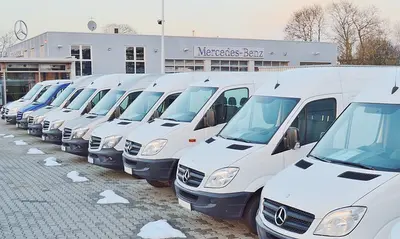
What Zoning Do You Need for a Car Dealership?
A car dealership is a retail business that sells new or used vehicles from a commercial lot, typically with an associated showroom, office, and sometimes a service department. Car dealerships require C (Commercial) zoning, and most jurisdictions place them in highway commercial or general commercial zones rather than neighborhood commercial districts. The large lot sizes, high traffic volumes, and visual impact of rows of parked inventory make car dealerships incompatible with smaller-scale commercial zones and residential areas.
Highway Commercial Zoning Is the Standard
Most car dealerships are located along major arterial roads and highways, and this is reflected in zoning codes. Highway commercial or regional commercial zones are designed for auto-oriented businesses that depend on high visibility and easy vehicle access. These zones permit the large paved lots, prominent signage, and high-traffic driveways that dealerships require.
Highway commercial zoning typically allows for larger signage than other commercial zones, including pole signs and electronic message boards that dealerships use to advertise inventory and promotions. The zone also accommodates the wide curb cuts and multiple access points that customers need to enter and exit the lot safely when test-driving vehicles.
Lot and Site Requirements
Car dealerships have significant site requirements that go beyond basic commercial zoning. Zoning and site plan regulations commonly address minimum lot size (dealerships typically require several acres for inventory display, customer parking, and service areas), paving and drainage requirements for the display lot, lighting standards including limits on light spillover to adjacent properties, landscaping buffers between the dealership and neighboring properties, and stacking and circulation requirements to prevent test-drive and service traffic from backing up onto public roads.
The display lot itself is regulated in many jurisdictions. Some codes specify how vehicles must be arranged, prohibit stacking vehicles on top of each other (common for wholesale operations), and require that display areas be clearly separated from customer and employee parking.
Service Departments and Environmental Regulations
A dealership with a service department introduces additional zoning and regulatory considerations. Vehicle service operations generate waste oil, coolant, brake fluid, and other hazardous materials that require proper storage and disposal. Many jurisdictions require an environmental review or stormwater management plan for dealerships with service bays, particularly if the property drains to a storm sewer or waterway.
Body shops and paint booths within a dealership may require industrial zoning or a special use permit, even if the sales operation is permitted under commercial zoning. Check whether your intended service offerings are all covered under the same zoning approval or whether specific activities require separate authorization.
Used Car Lots vs. Franchise Dealerships
Zoning codes in some jurisdictions treat independent used car lots differently from franchise new car dealerships. Used car lots may face additional scrutiny regarding lot appearance, inventory turnover, and the condition of displayed vehicles. Some codes require used car lots to obtain a conditional use permit even in zones where new car dealerships are permitted by right, reflecting concerns about the visual impact and maintenance standards of used vehicle operations.
Steps Before Opening a Car Dealership
Start by confirming the zoning on your target property. You can look up your property's zoning on ZoningPoint.com to identify the current classification. Contact your local planning department to verify that a car dealership is a permitted use, review site plan requirements, and determine whether any conditional use permits or variances are needed. You will also need a state dealer license, which has its own requirements for lot size, office space, signage, and insurance that must be met independently of local zoning approval.
It is important that you look up the specific zoning type for your parcel of land, because every jurisdiction has their own unique zoning and this is just a generalization.
Car Dealership Zoning FAQ
What zoning does a car dealership need?
A car dealership usually needs commercial zoning (C). The exact district names and rules come from your city or county zoning code.
Is a car dealership commercial or residential?
A car dealership is usually treated as a commercial use, so it typically belongs in a commercial zone rather than a residential one.
Can you have a car dealership in a residential area?
Usually not by right. Most codes only allow a car dealership in commercial zones. In a residential zone you would typically need a conditional use permit, a variance or a rezoning, and some cities do not allow it at all.
How do I check if a property is zoned for a car dealership?
Find the property on your city or county zoning map to get its zoning district, then look up that district in the zoning code to see whether car dealership is permitted, conditional or not allowed. The local planning department can confirm it. You can search for your city's zoning map on ZoningPoint, or read how to find a property on a zoning map.