Zoning for a Sports Complex
A sports complex usually needs commercial zoning (C), and some cities also allow it in public or institutional zones (P). The exact district names and rules come from your city or county zoning code, so always check the property's zoning before you buy or sign a lease.
New to zoning types? Read what commercial zoning means and what it allows.
What zoning does a sports complex need?
C - Commercial
or
P - Public
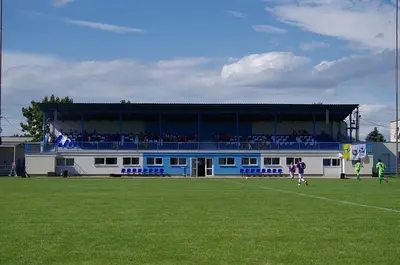
What Zoning Do You Need for a Sports Complex?
A sports complex is a large facility with multiple athletic fields, courts, or indoor sports venues used for organized sports, tournaments, and recreational activities. Sports complexes require C (Commercial) or P (Public/Institutional) zoning depending on whether they are privately operated commercial ventures or publicly owned municipal facilities.
Public Sports Complexes
Municipal sports complexes built by cities or counties fall under public or institutional zoning and benefit from governmental authority that can simplify the approval process. Public sports complexes are typically developed as part of a parks and recreation master plan and serve the community through youth leagues, adult recreation programs, and tournament hosting. These facilities often receive public funding through bond measures, impact fees, or grants.
Even with governmental authority, public sports complex development involves significant community engagement, environmental review, and infrastructure planning. Traffic impact, noise from events and PA systems, lighting from night games, and the scale of the development are all reviewed during the planning process.
Private Sports Complexes
Privately operated sports complexes are commercial businesses that charge membership fees, league registration fees, tournament entry fees, or facility rental rates. These operations require commercial zoning and typically need a conditional use permit or planned development approval due to the scale of the facility and its impact on surrounding properties.
The conditional use review for a private sports complex addresses traffic generation, particularly during tournaments that can bring hundreds or thousands of visitors, parking adequacy for peak event attendance, noise from games, spectators, whistles, and PA systems, lighting impact from field lights on neighboring properties, hours of operation, and stormwater management for the large impervious and turf surfaces. Tournament traffic is often the most contentious issue, as a large tournament can generate traffic volumes that overwhelm local roads for an entire weekend.
Indoor vs. Outdoor Facilities
Indoor sports facilities (field houses, indoor soccer arenas, basketball complexes) have a different impact profile than outdoor complexes. Indoor facilities contain noise and eliminate lighting concerns, but they require large building footprints, high ceilings, and substantial parking. Building code requirements for indoor sports facilities include assembly occupancy classification, which triggers fire suppression, emergency egress, and maximum occupancy standards.
Outdoor facilities require more land area but lower construction costs. The trade-off is greater noise, lighting, and weather-related impacts on neighbors. Many modern sports complexes combine indoor and outdoor facilities, requiring a site plan that addresses both types of impacts.
Steps Before Developing a Sports Complex
Start by confirming the zoning on your target property. You can look up your property's zoning on ZoningPoint.com to identify the current classification. Contact your local planning department to discuss the approval process, which will almost certainly involve site plan review, traffic impact analysis, and potentially environmental review for larger facilities. Engage a traffic engineer to study the impact of tournament-level attendance, as this is typically the biggest concern during the approval process.
It is important that you look up the specific zoning type for your parcel of land, because every jurisdiction has their own unique zoning and this is just a generalization.
Sports Complex Zoning FAQ
What zoning does a sports complex need?
A sports complex usually needs commercial zoning (C), and some cities also allow it in public or institutional zones (P). The exact district names and rules come from your city or county zoning code.
Is a sports complex commercial or residential?
A sports complex is usually treated as a commercial use, so it typically belongs in a commercial zone rather than a residential one.
Can you have a sports complex in a residential area?
Usually not by right. Most codes only allow a sports complex in commercial zones. In a residential zone you would typically need a conditional use permit, a variance or a rezoning, and some cities do not allow it at all.
How do I check if a property is zoned for a sports complex?
Find the property on your city or county zoning map to get its zoning district, then look up that district in the zoning code to see whether sports complex is permitted, conditional or not allowed. The local planning department can confirm it. You can search for your city's zoning map on ZoningPoint, or read how to find a property on a zoning map.