Zoning for an RV Park
An RV park usually needs commercial zoning (C), and some cities also allow it in special zones (S). The exact district names and rules come from your city or county zoning code, so always check the property's zoning before you buy or sign a lease.
New to zoning types? Read what commercial zoning means and what it allows.
What zoning does an RV park need?
C - Commercial
or
S - Special
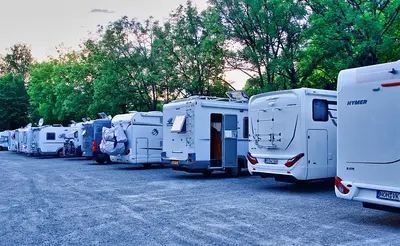
What Zoning Do You Need for an RV Park?
An RV park is a commercial property where recreational vehicle owners rent spaces with utility hookups for overnight or extended stays. RV parks are typically permitted under C (Commercial) or S (Special) zoning. The commercial and recreational nature of an RV park, combined with its unique infrastructure requirements, makes it a use that many jurisdictions regulate through special zoning districts or conditional use permits rather than standard commercial zoning.
Commercial Zoning for RV Parks
RV parks are commercial hospitality operations that collect nightly or monthly fees and provide services to transient guests. Highway commercial and recreation-oriented commercial zones are the most common zoning classifications for RV parks. These zones accommodate the auto-oriented nature of the business and the large lot sizes required for RV site layouts, internal roads, and amenity areas.
Site plan requirements for RV parks in commercial zones include minimum lot size and site spacing between RV pads, internal road width and circulation standards (RVs require wider turning radii than passenger vehicles), utility hookups at each site (electrical, water, sewer or dump station access), common facilities including restrooms, showers, and laundry, stormwater management for the large impervious or compacted surface area, and screening and buffering along property lines adjacent to non-commercial uses.
Special Zoning Districts
Some jurisdictions classify RV parks under special zoning districts designed for campgrounds, recreational facilities, and outdoor hospitality uses. Special zoning provides tailored standards for density, site layout, amenities, and environmental protections that general commercial zoning does not address. This approach is common in areas with significant tourism and outdoor recreation economies where RV parks are a major land use.
Long-Term Stays and Regulatory Concerns
RV parks that allow long-term stays (30 days or more) blur the line between transient lodging and residential use. Many jurisdictions regulate long-term RV occupancy differently from short-term stays, and some prohibit long-term occupancy entirely. Long-term RV parks may be reclassified as mobile home parks or manufactured housing communities, triggering different zoning requirements, tenant protection laws, and infrastructure standards.
If your business model includes long-term or permanent RV residents, verify that the zoning and any conditional use approval specifically permit extended stays and understand how long-term occupancy affects the regulatory classification of your operation.
Health and Safety Regulations
RV parks are subject to state health department regulations for campgrounds and recreational vehicle parks. These regulations cover water supply testing and treatment, sewage disposal (either municipal sewer connections or on-site dump stations with proper waste handling), electrical system safety standards for pedestal hookups, fire safety including spacing between RVs, access for emergency vehicles, and fire extinguisher requirements, and overall facility sanitation and maintenance standards. State licensing must be obtained before opening, regardless of local zoning approval.
Steps Before Opening an RV Park
Start by confirming the zoning on your target property. You can look up your property's zoning on ZoningPoint.com to identify the current classification. Contact your local planning department to determine whether an RV park is permitted in the zone and what conditional use or site plan approvals are required. Also contact your state health department for RV park licensing requirements, as these will drive your site design, utility infrastructure, and facility standards. If you plan to allow long-term stays, clarify the regulatory implications with both local and state agencies.
It is important that you look up the specific zoning type for your parcel of land, because every jurisdiction has their own unique zoning and this is just a generalization.
RV Park Zoning FAQ
What zoning does an RV park need?
An RV park usually needs commercial zoning (C), and some cities also allow it in special zones (S). The exact district names and rules come from your city or county zoning code.
Is an RV park commercial or residential?
An RV park is usually treated as a commercial use, so it typically belongs in a commercial zone rather than a residential one.
Can you have an RV park in a residential area?
Usually not by right. Most codes only allow an RV park in commercial zones. In a residential zone you would typically need a conditional use permit, a variance or a rezoning, and some cities do not allow it at all.
How do I check if a property is zoned for an RV park?
Find the property on your city or county zoning map to get its zoning district, then look up that district in the zoning code to see whether RV park is permitted, conditional or not allowed. The local planning department can confirm it. You can search for your city's zoning map on ZoningPoint, or read how to find a property on a zoning map.