Zoning for a Hotel
A hotel usually needs commercial zoning (C). The exact district names and rules come from your city or county zoning code, so always check the property's zoning before you buy or sign a lease.
New to zoning types? Read what commercial zoning means and what it allows.
What zoning does a hotel need?
C - Commercial
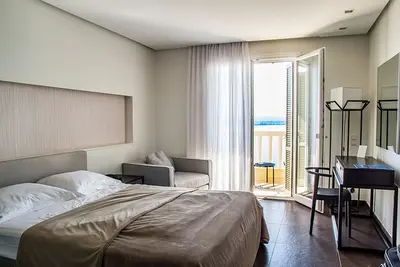
What Zoning Do You Need for a Hotel?
A hotel is a commercial lodging facility that rents rooms to guests on a nightly basis, typically with services such as housekeeping, front desk reception, and sometimes restaurants, conference rooms, and amenities like pools and fitness centers. Hotels require C (Commercial) zoning, and they are most commonly found in highway commercial, general commercial, and hospitality or tourism-oriented commercial zones. The specific commercial sub-classification depends on the hotel's scale and location.
Highway and Tourism Commercial Zones
Hotels are a primary use in highway commercial zones, which are designed for auto-oriented businesses along major corridors. These zones accommodate the large building footprints, parking lots, and prominent signage that hotels require. Tourism and hospitality commercial zones in resort areas, convention districts, and downtown entertainment corridors also permit hotels as a core use.
Site plan requirements for hotels in these zones include parking based on room count (typically one to 1.5 spaces per guest room plus additional spaces for staff, restaurant, and meeting room capacity), driveway and porte-cochere design for guest arrival and departure, loading zones for delivery and service vehicles, signage (hotels typically receive allowances for larger signs than many commercial uses due to the need for highway visibility), and landscaping and screening requirements along property boundaries.
Hotels in Downtown and Mixed-Use Zones
Urban hotels in downtown and mixed-use zones face different zoning considerations than highway corridor hotels. Downtown hotels often occupy multi-story buildings with ground-floor retail or restaurant space, and parking may be provided through structured parking garages rather than surface lots. Mixed-use zoning facilitates this integrated development approach.
Height and density are the primary zoning variables for urban hotels. Downtown zones typically allow taller buildings than suburban commercial zones, enabling the multi-story construction that makes urban hotel development financially viable. Floor area ratio (FAR) regulations determine how much total floor space can be built on the lot, and hotel developers often seek the maximum allowed density to spread land costs across the most possible rooms.
Boutique Hotels and Residential Conversions
Boutique hotels in converted residential properties, historic buildings, or small commercial spaces have become popular in many cities. These smaller hotels (often under 50 rooms) may operate in zones where a large-format hotel would not be permitted. Some jurisdictions have created specific zoning provisions for small-scale lodging that bridge the gap between bed-and-breakfasts and full-service hotels.
Converting a residential or commercial building to hotel use requires a change of occupancy under the building code, which triggers compliance with fire safety standards for transient lodging (sprinkler systems, smoke detection, emergency lighting, and exit signage), ADA accessibility requirements for guest rooms and common areas, elevator requirements for multi-story buildings, and commercial kitchen standards if food service is included.
Impact Fees and Tourism Taxes
Hotel development often triggers impact fees for transportation, water, sewer, and other infrastructure improvements. In addition, hotels collect occupancy taxes (also called lodging taxes, hotel taxes, or transient occupancy taxes) from guests on behalf of the local government. While these taxes are not a zoning requirement, they are a significant component of hotel economics and are sometimes used to fund tourism promotion, convention center operations, and infrastructure improvements in hospitality districts.
Steps Before Developing a Hotel
Start by confirming the zoning on your target property. You can look up your property's zoning on ZoningPoint.com to identify the current classification. Contact your local planning department to verify that hotel use is permitted in the zone, review parking and height requirements, and determine what site plan review or conditional use approvals are needed. For larger hotel projects, expect a detailed review process that includes traffic impact studies, utility capacity analysis, and potentially environmental review depending on the site.
It is important that you look up the specific zoning type for your parcel of land, because every jurisdiction has their own unique zoning and this is just a generalization.
Hotel Zoning FAQ
What zoning does a hotel need?
A hotel usually needs commercial zoning (C). The exact district names and rules come from your city or county zoning code.
Is a hotel commercial or residential?
A hotel is usually treated as a commercial use, so it typically belongs in a commercial zone rather than a residential one.
Can you have a hotel in a residential area?
Usually not by right. Most codes only allow a hotel in commercial zones. In a residential zone you would typically need a conditional use permit, a variance or a rezoning, and some cities do not allow it at all.
How do I check if a property is zoned for a hotel?
Find the property on your city or county zoning map to get its zoning district, then look up that district in the zoning code to see whether hotel is permitted, conditional or not allowed. The local planning department can confirm it. You can search for your city's zoning map on ZoningPoint, or read how to find a property on a zoning map.